“The other side of the fence is always an abstraction.”
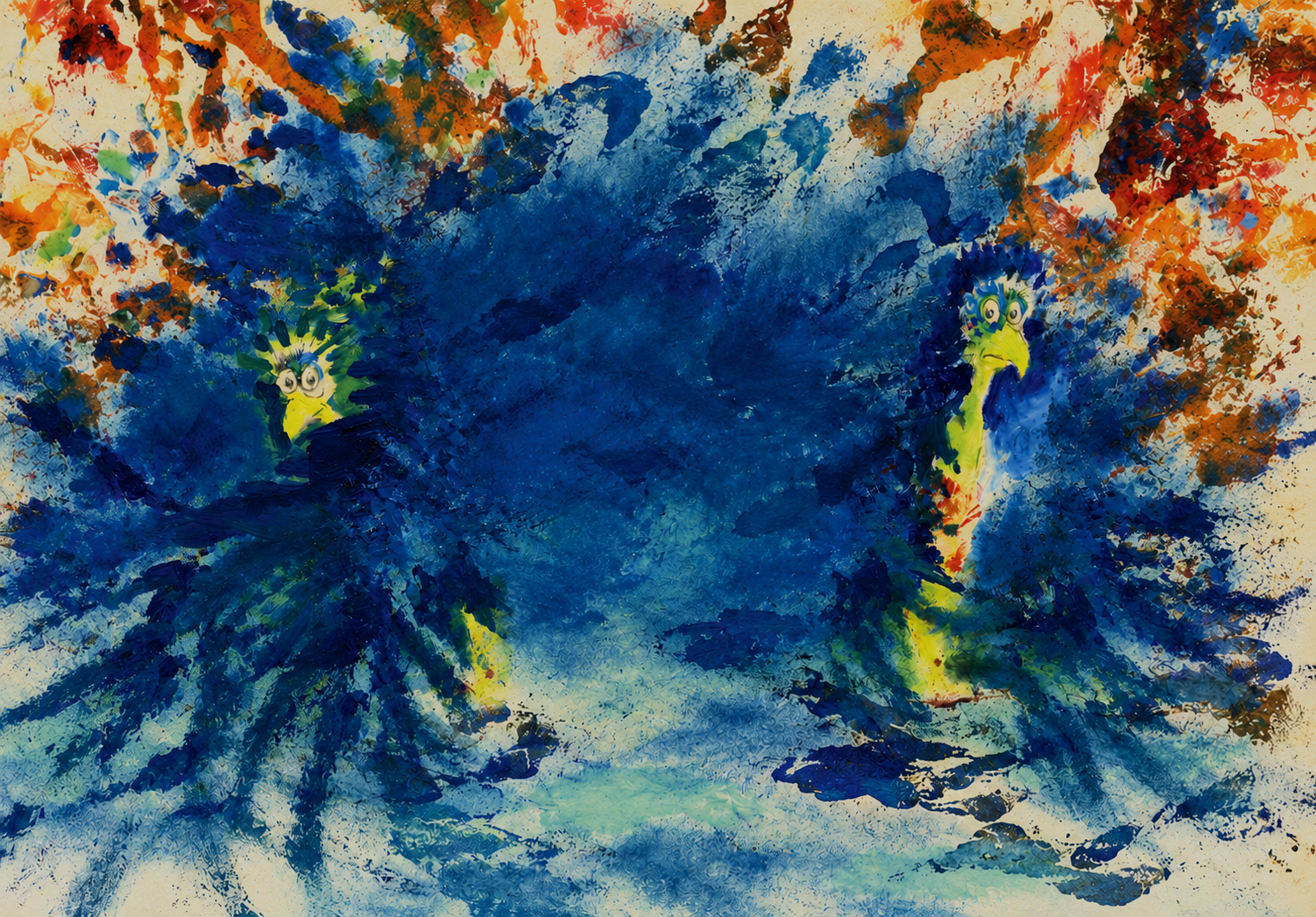
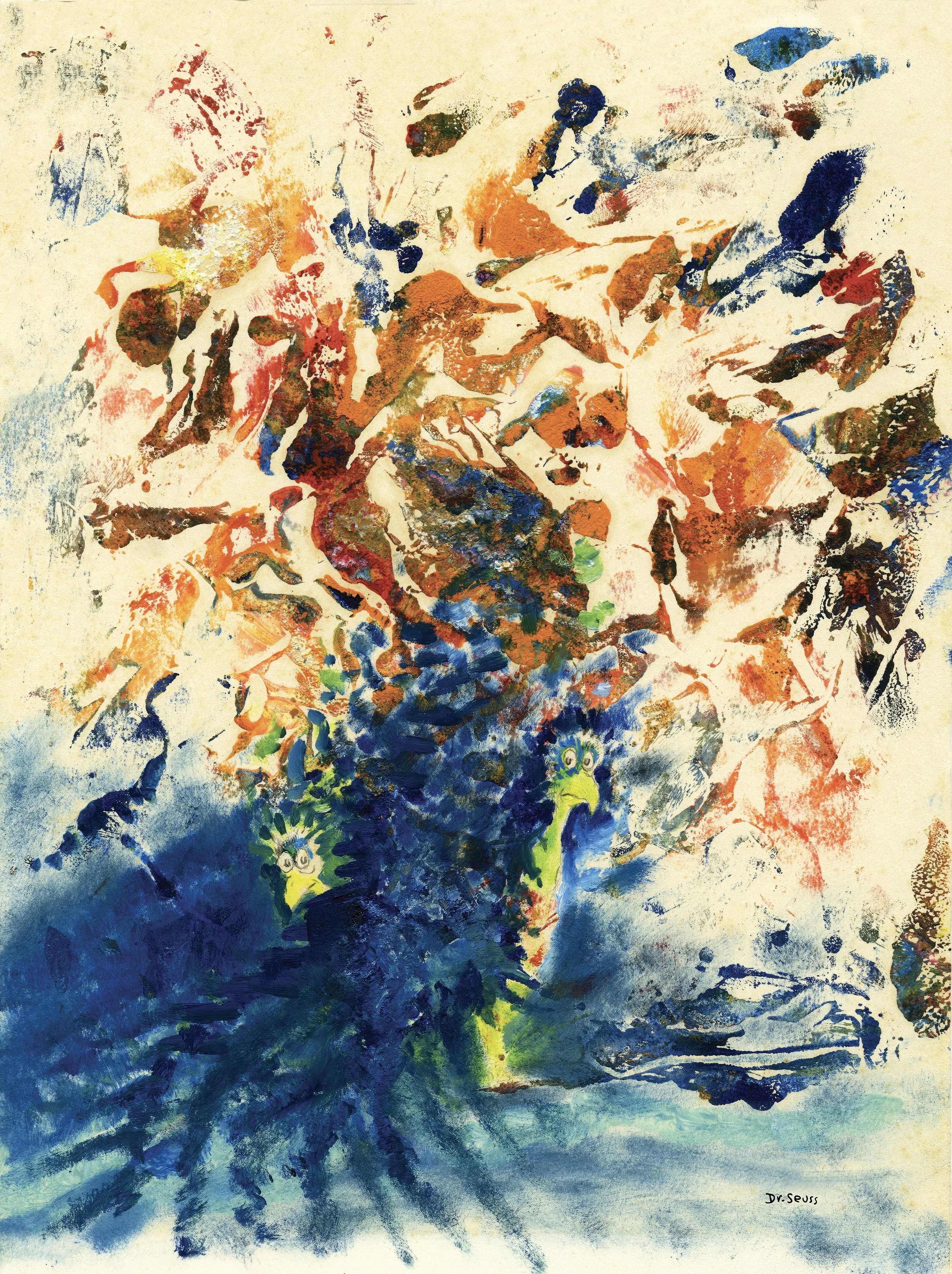
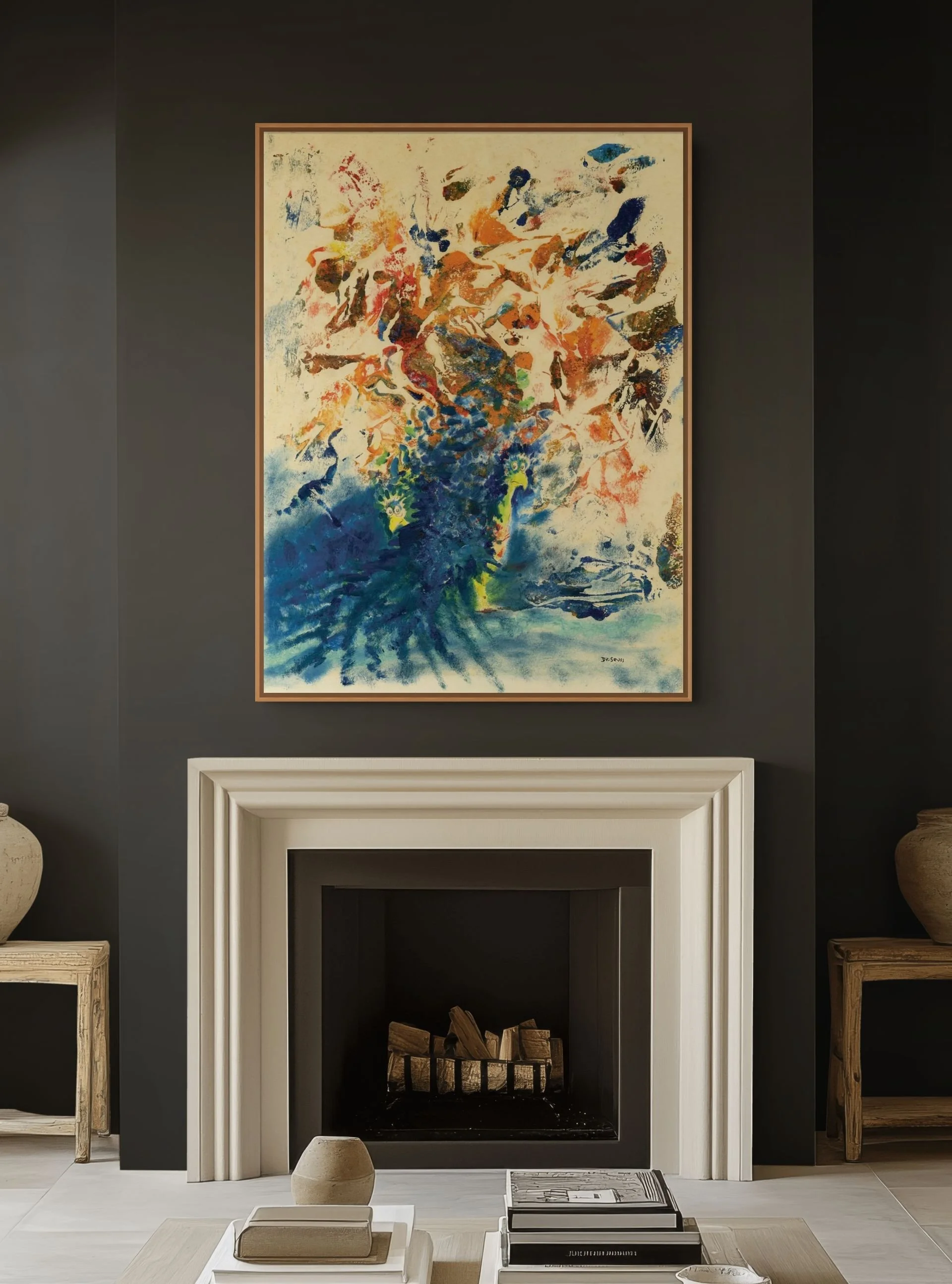
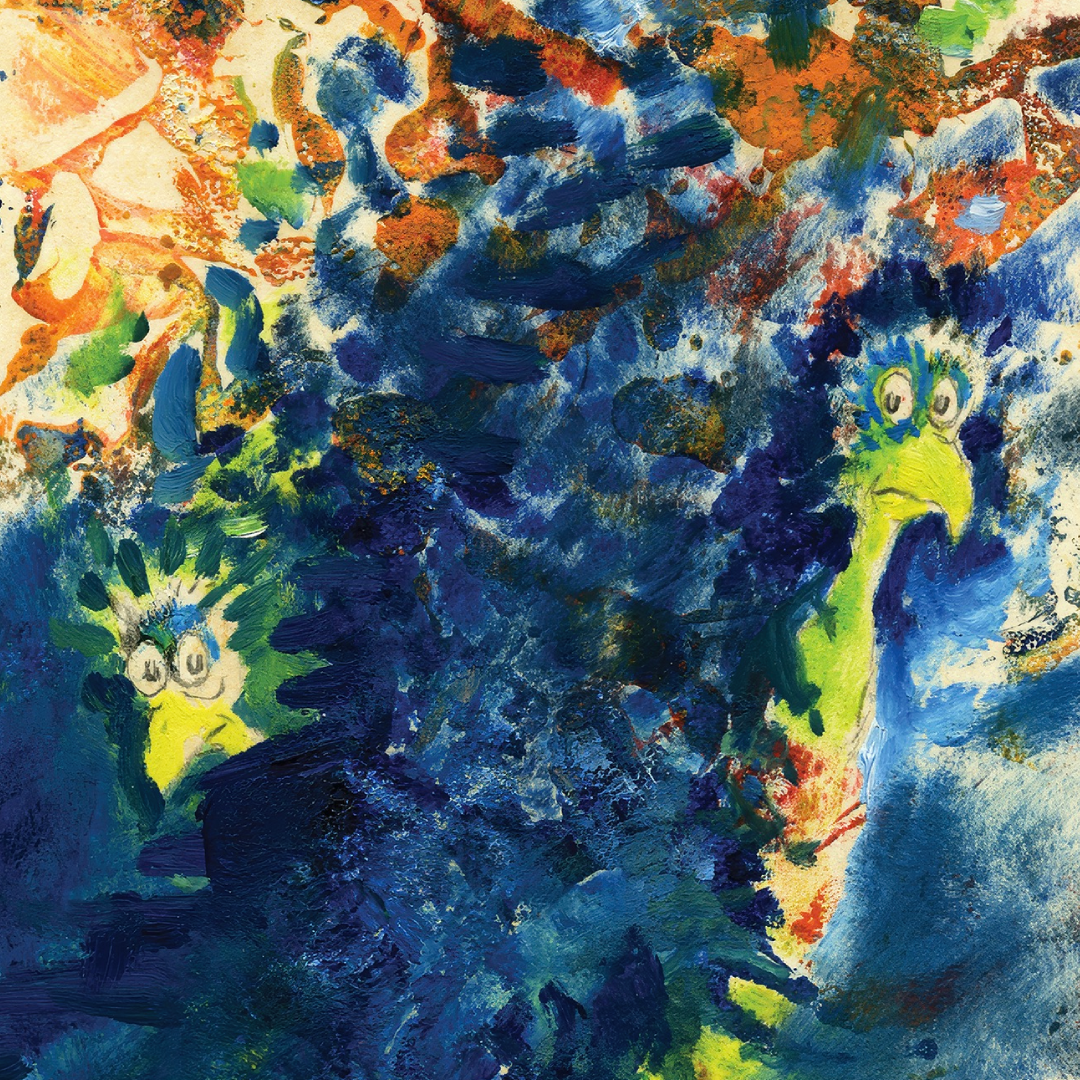
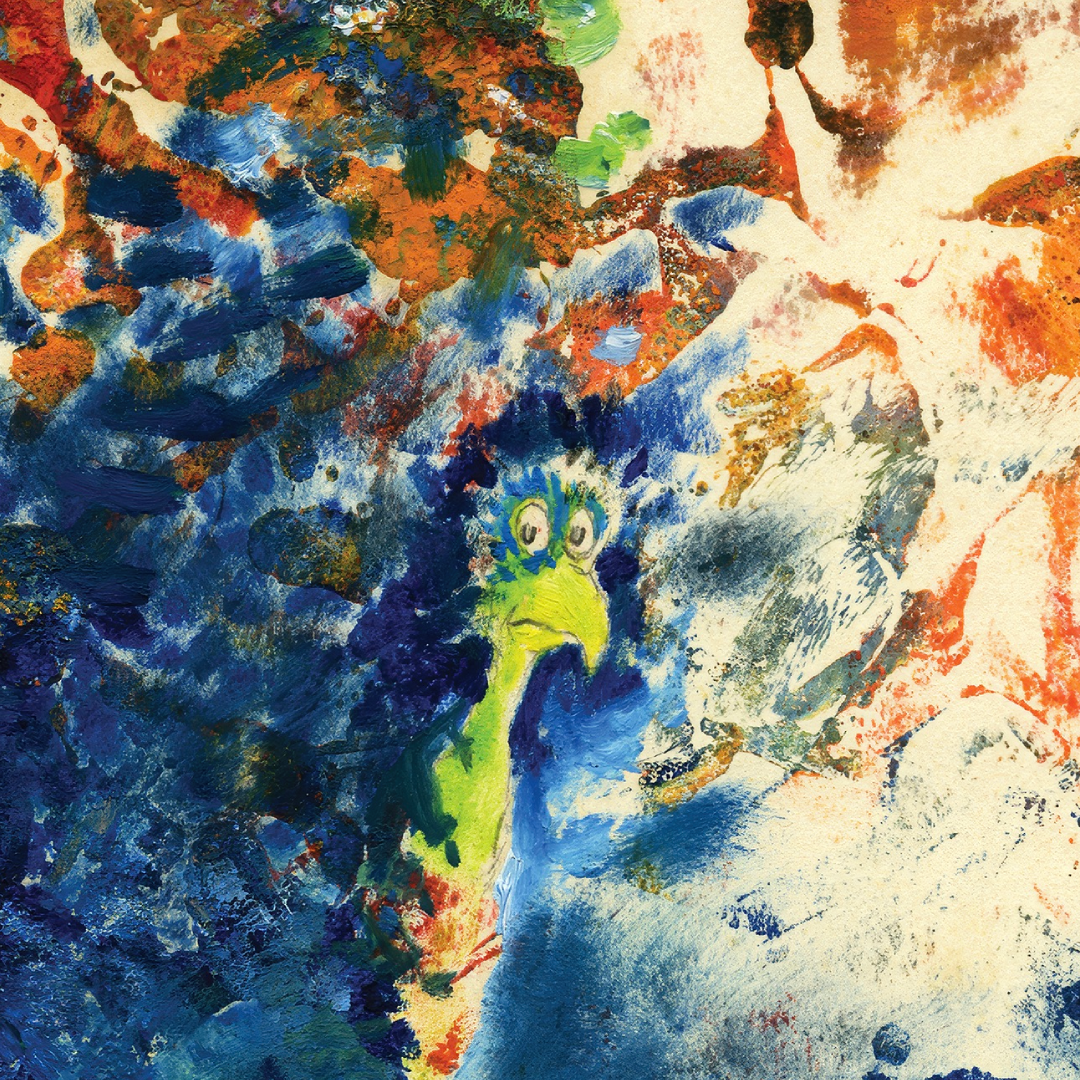
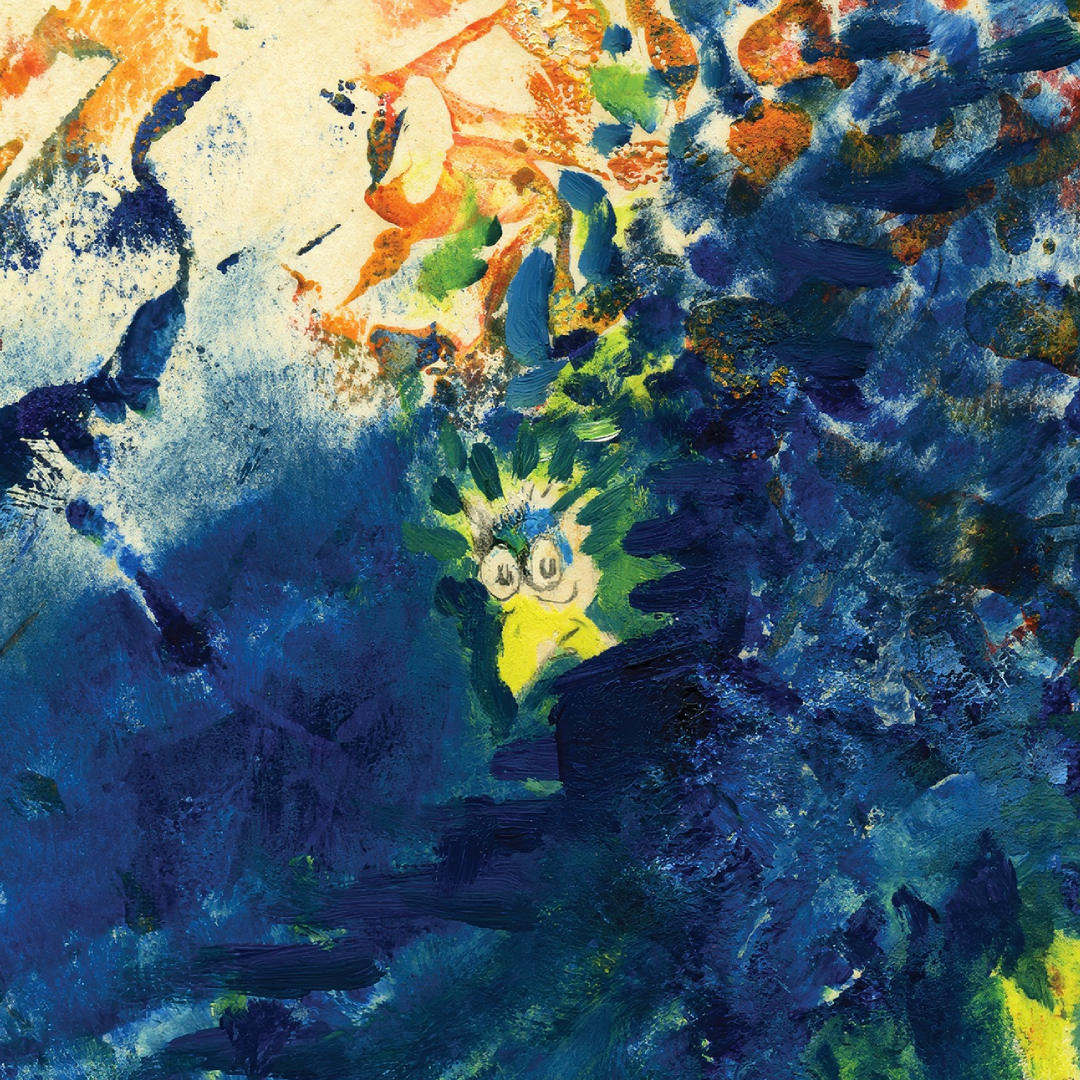
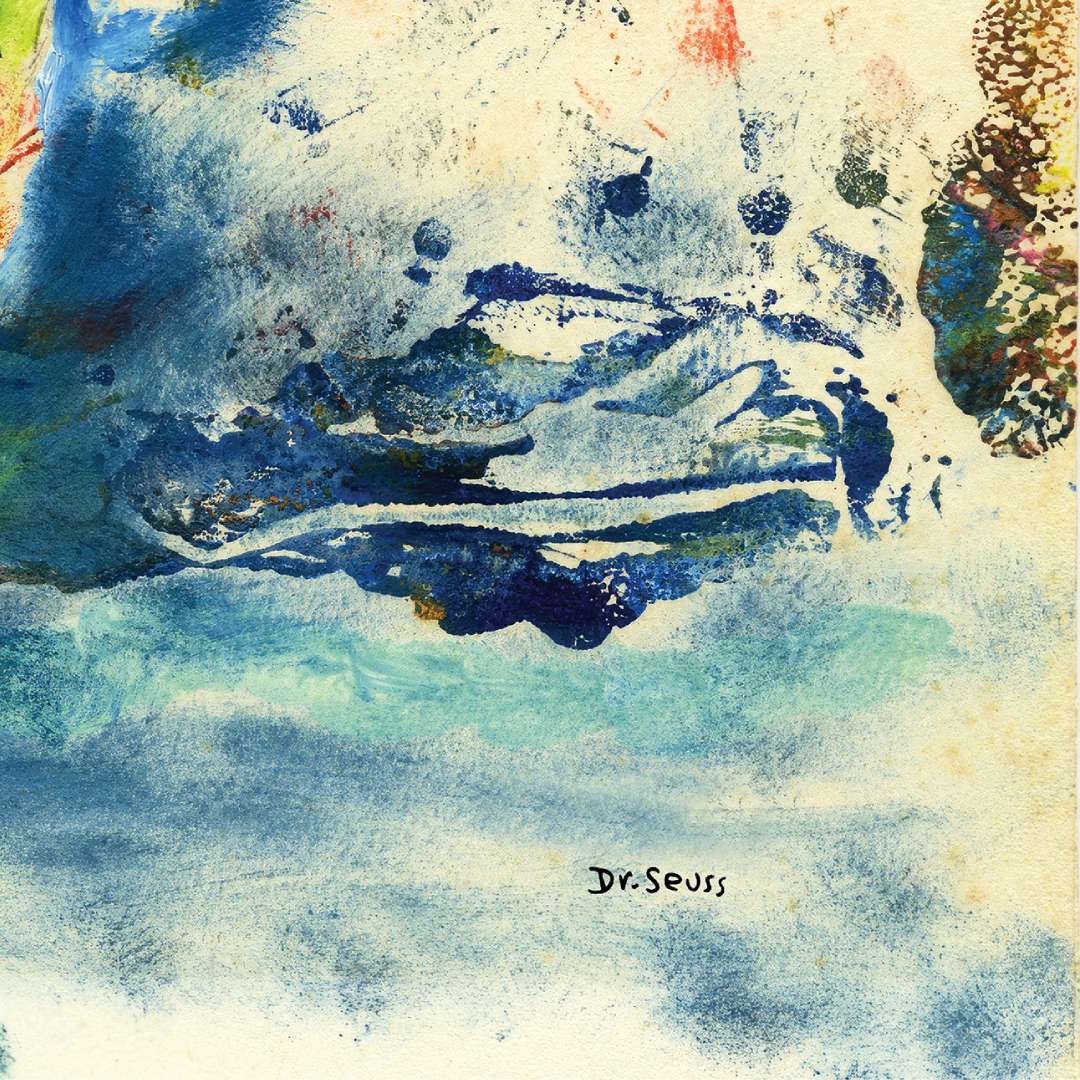
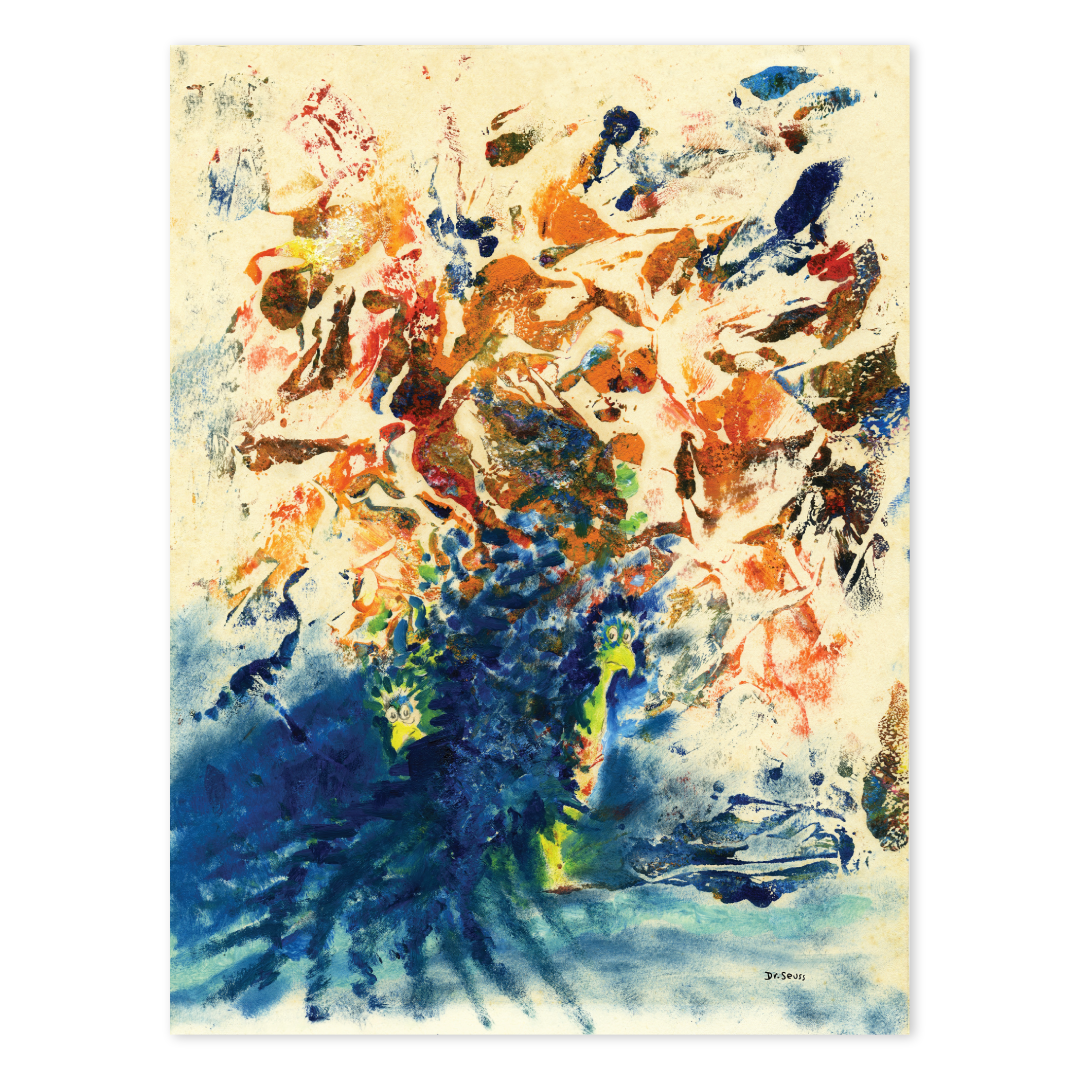
We’ve heard it said that the grass is greener on the other side. But what if that idea prevents us from recognizing the value of what is already here? In The Two in the Bush That the Bird in the Hand is Worth More Than, Ted Geisel (aka Dr. Seuss) invites us to look again at what we have and who we are, and recognize their worth before reaching for something more.
3,995 USD - Unframed
Masterwork
Hand Embellished Pigment Print on Canvas
Authorized Estate Edition
Image Size: 52” x 40”
Limited Edition of 195 Arabic Numbers
99 Patrons’ Collection
55 Collaborators’ Proofs
5 Hors d’Commerce
To View Cart and Check Out return to top of page. (Bottom of screen on mobile)
ONE IN THE HAND, TWO IN THE IMAGINATION
IS THE GRASS REALLY GREENER?
“Joy is not waiting in the bush.
It is already in hand.”
The familiar adage, “A bird in the hand is worth two in the bush,” asks us to value the certainty of what we possess over the promise of what we might someday find. Ted, naturally, could not leave the phrase alone. In his hands, the proverb becomes The Two in the Bush That the Bird in the Hand Is Worth More Than, a title that makes us pause, retrace our steps, and reconsider what we thought we understood.
The bird in the hand is present and knowable. The two in the bush are abstractions: unrealized possibilities onto which we can project every hope, ambition, and expectation.

That mystery can inspire us to take a chance, pursue an opportunity, or reach for something new. But it can also become a trap. When we become too preoccupied with where we are going, we risk overlooking what is right in front of us.
Ted’s work does not necessarily tell us to choose safety over possibility. Instead, it asks a more interesting question:
Can we remain grateful for what we hold while still being curious about what waits beyond it?
Something to be Thankful for
Gratitude begins with noticing
This artwork offers a timely reminder: joy is not a distant destination.
It is easy to place life on hold while waiting for the next milestone. We count down to the end of the workday, the weekend, the promotion, the new beginning, or the moment when everything will finally feel settled. Yet each destination soon gives way to another, and the present can quietly pass unnoticed. Gratitude interrupts that cycle.

Embracing gratitude does not mean abandoning ambition. Ted himself continued to experiment, reinvent, and reach for new forms of expression throughout his life. This work finds him stretching into abstraction without surrendering his humor, curiosity, or distinctly Seussian point of view.
“Perhaps that is the balance: to remain thankful for how far we have come while continuing to imagine where we might go next.”
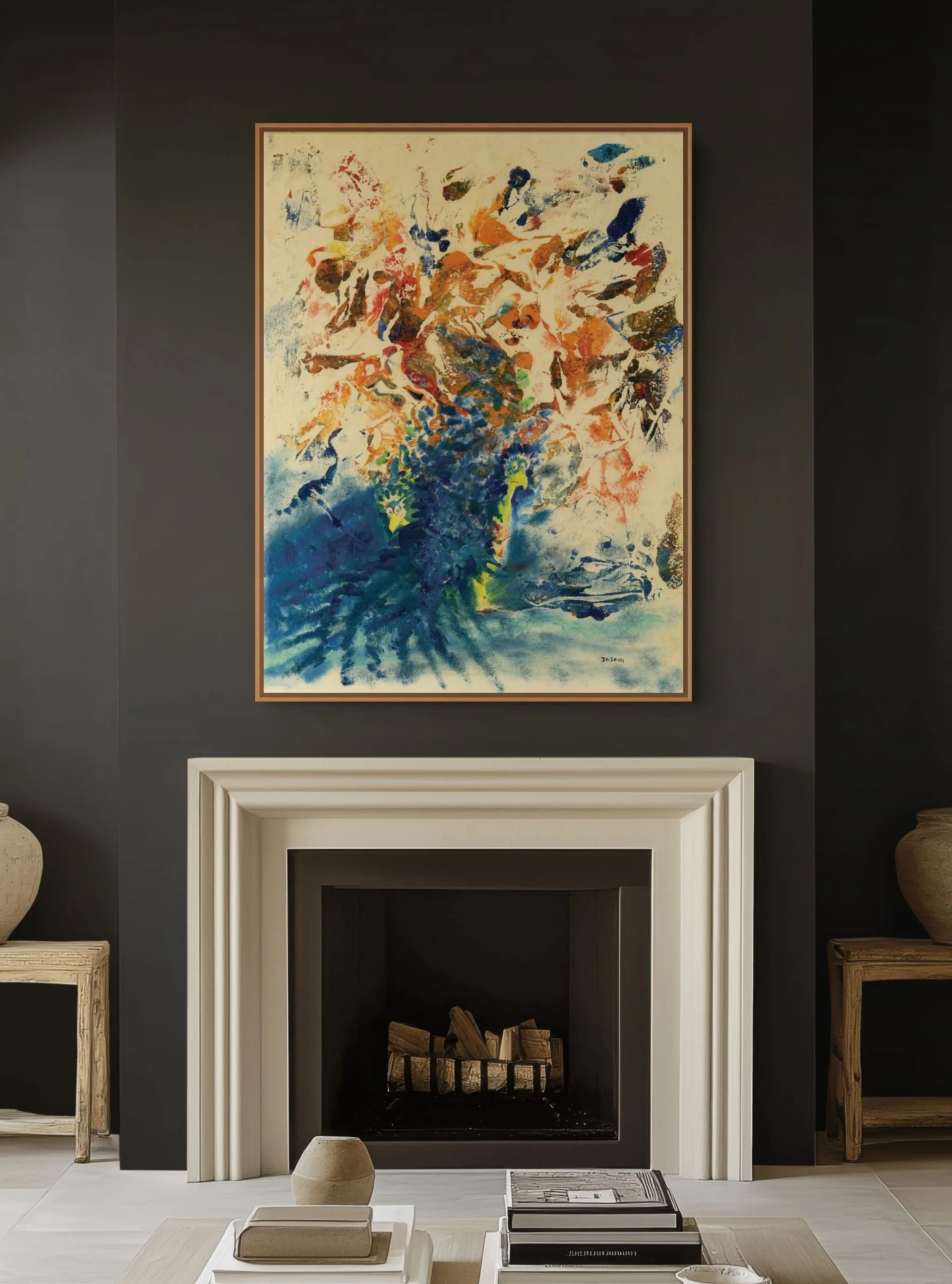
The Two in the Bush That the Bird in Your Hand Is Worth More Than on your wall is a lasting reminder to always remain thankful.
3,995 USD - Unframed
Masterwork
Hand Embellished Pigment Print on Canvas
Authorized Estate Edition
Image Size: 52” x 40”
Limited Edition of 195 Arabic Numbers
99 Patrons’ Collection
55 Collaborators’ Proofs
5 Hors d’Commerce
Secure your acquisition now!
To View Cart and Check Out return to top of page. (Bottom of screen on mobile)
The Wrong End of the Telescope
“Sometimes Ted turned language around to help us see it straight, understanding that changing the order of a few familiar words could change the way we encountered an entire idea.”
The title The Two in the Bush That the Bird in the Hand Is Worth More Than follows this wonderfully Seussian tradition of disrupting the expected sequence. It feels almost like looking through the wrong end of a telescope: everything we know is still there, but the perspective has shifted.
Ted would often switch, reverse, and rearrange language until the familiar became strange enough to notice again. Ham and eggs became Green Eggs and Ham. Thing One and Thing Two could emerge as Thing Two and Thing One. Even the orderly progression of the alphabet might suddenly become Little Cats B, C, and A.
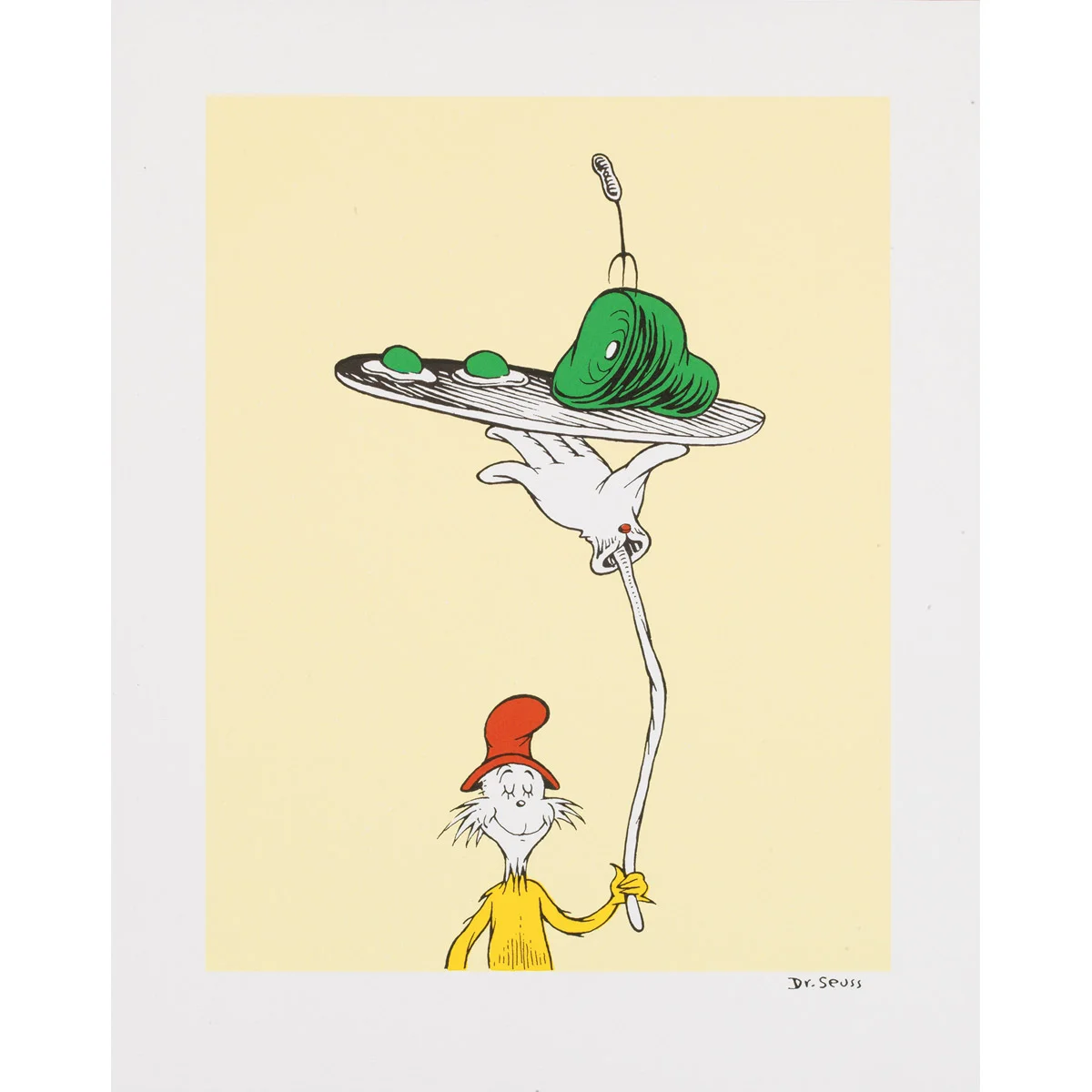
Green Eggs and Ham - Inside Cover Illustration
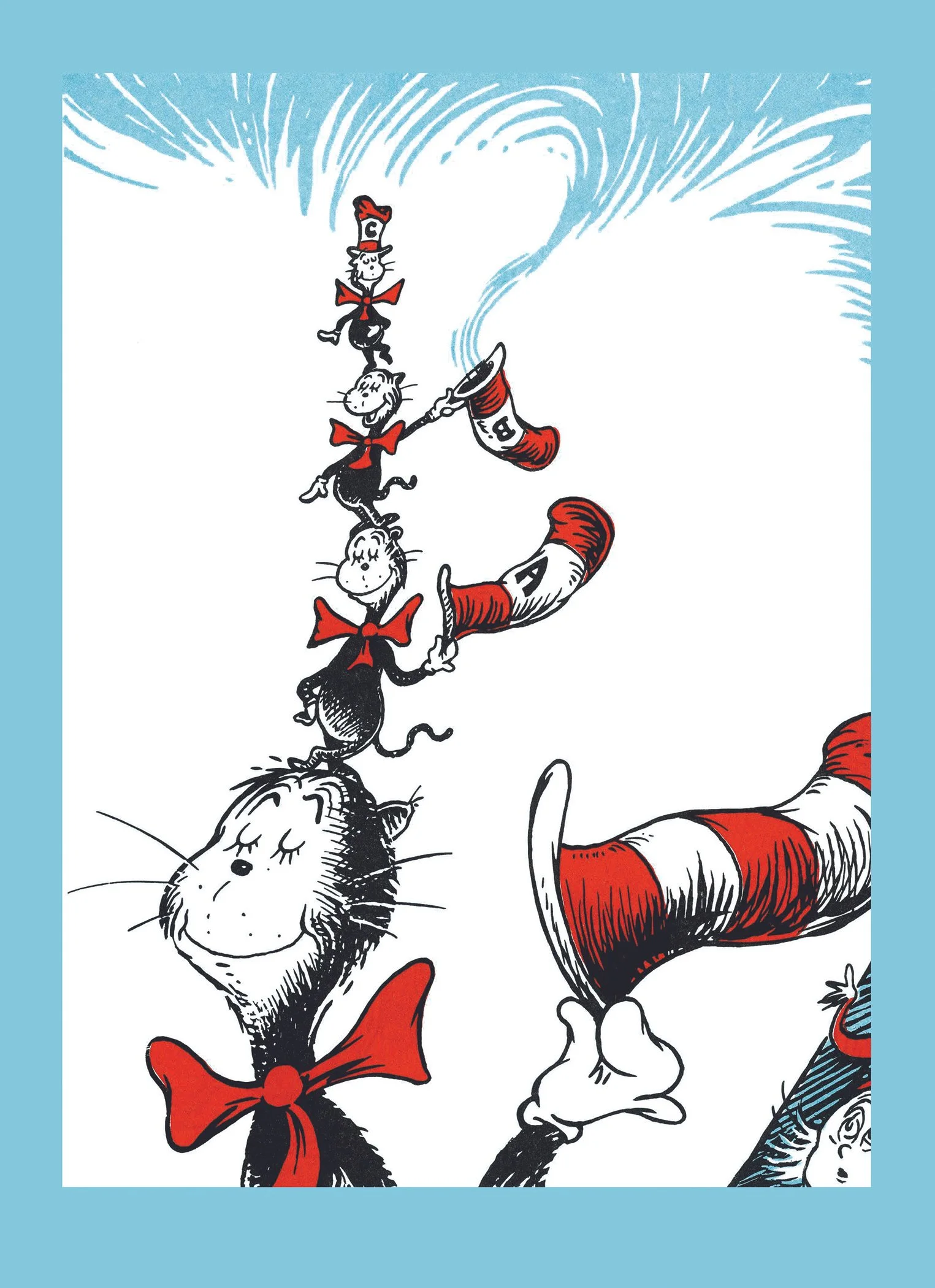
Little Cats B, C and A
The reversal is not merely a verbal joke. It unlocks the meaning of the artwork. By forcing us to work our way through the title, Ted slows down our thinking. The phrase can no longer pass unnoticed. In this new artwork, we must consider the hand, the bush, the birds, and what each one might represent in our own lives.
Stars, Birds, and Other Abstractions
A familiar message in an unexpected form
There are echoes here of one of Ted’s most enduring questions: do we really need those stars upon thars?
In The Sneetches, an outward symbol of distinction convinces an entire society that happiness, belonging, and worth must exist somewhere other than where they already are. The characters repeatedly exchange what they have for the promise of something better, only to discover that the destination keeps moving.

Star-Belly Friends
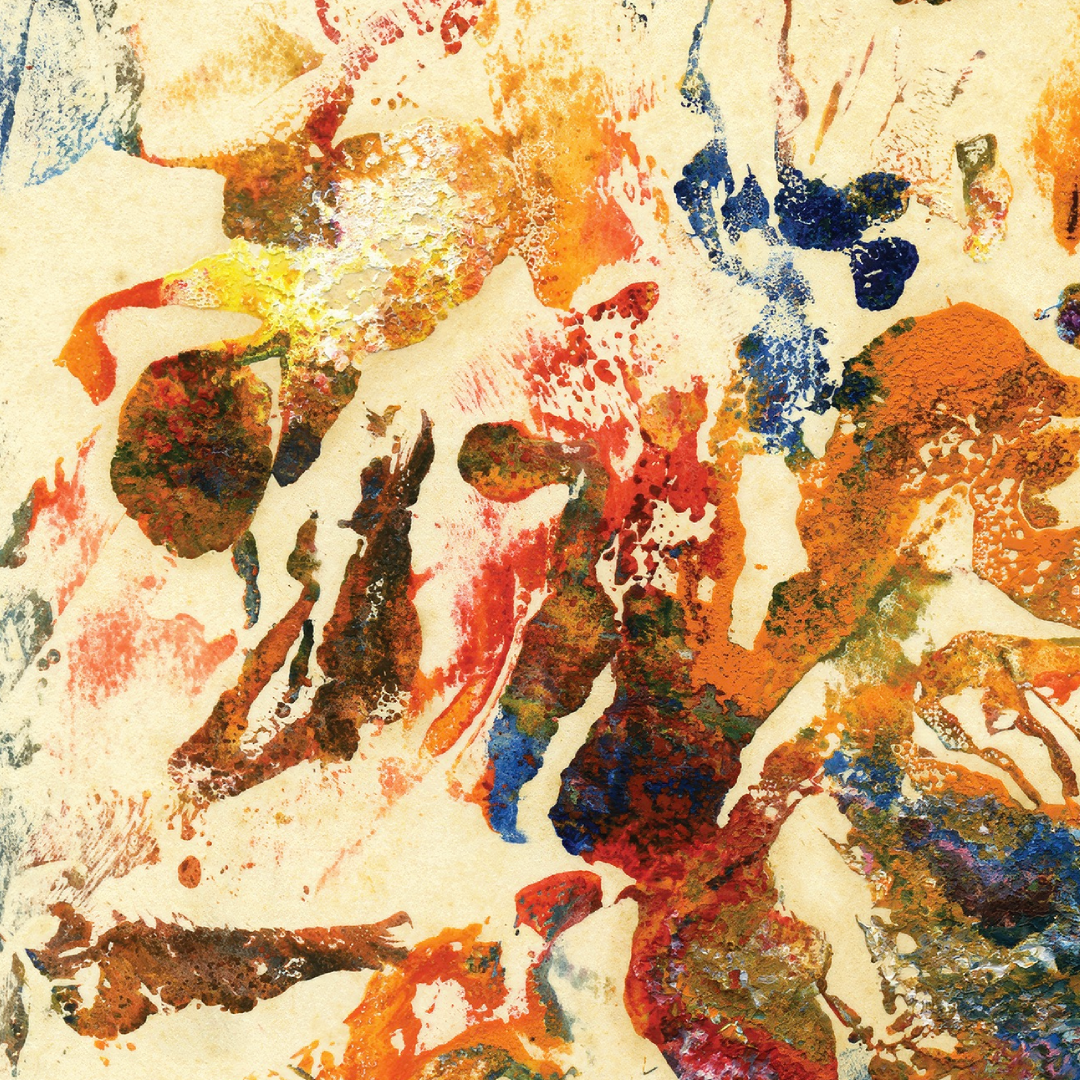
The Two in the Bush That the Bird in the Hand Is Worth More Than approaches a related idea from another direction. Here, Ted removes the familiar storybook landscape and moves into abstraction. Form, color, title, and suggestion take the place of traditional narrative. The characters may be less literal, but the human impulse remains recognizable: the belief that something unseen might complete us in a way the present cannot.
The work reveals an artist willing to test new techniques and explore new visual territory without letting go of his essential whimsy. Ted reaches beyond the familiar even as the artwork reminds us to appreciate what we already possess. It is experimentation and gratitude existing side by side, one eye on the bird in hand and the other still curious about the bush.
RELATED WORKS
Explore the abstract art of Ted Geisel
“The farther Ted moved into abstraction, the more clearly his imagination came into view.”
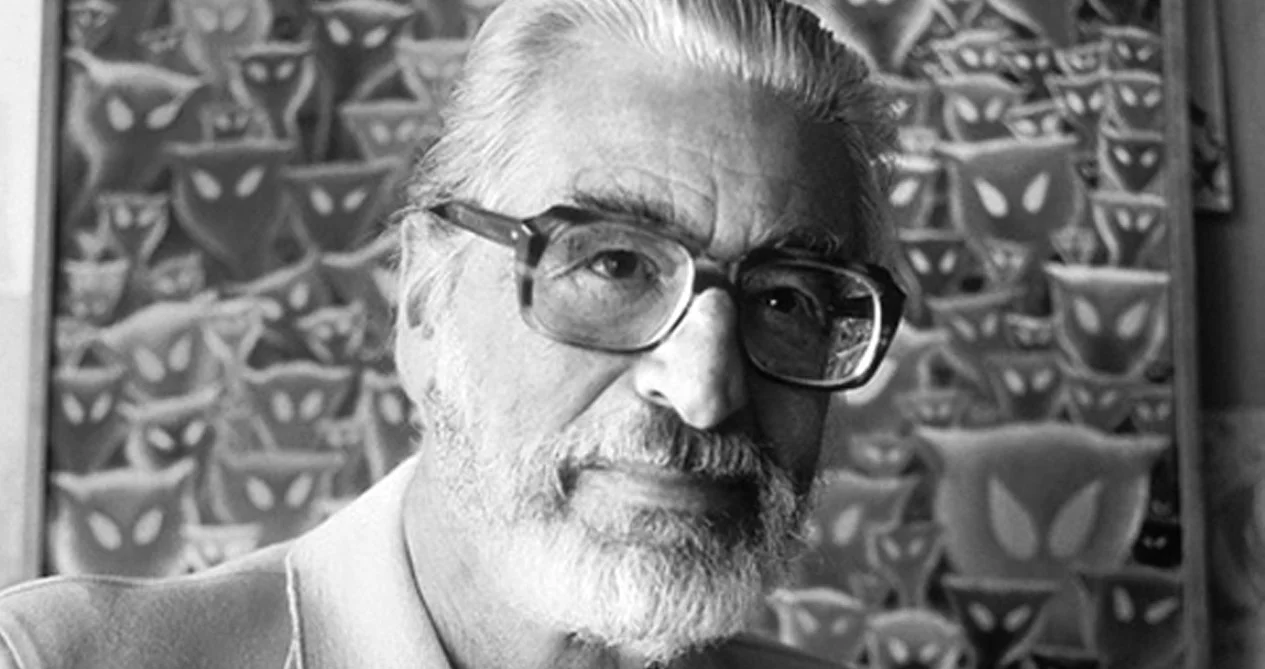
Ted Geisel pictured here with his painting, A Plethora of Cats, circa 19XX.
Ted’s abstract works reveal a fascinating dimension of his artistic legacy. Freed from the requirements of conventional storytelling, he experimented with color, form, movement, and visual rhythm while retaining the wit and imaginative spirit that made his work unmistakably his own.

Click Here for a complete overview of this work.
2,295 USD - Unframed
Mixed-Media Pigment Print on Canvas
Authorized Estate Edition
Image Size: 36” x 27.25” with additional canvas border
Limited Edition of 850 Arabic Numbers
99 Patrons’ Collection
155 Collaborators’ Proofs
5 Hors d’Commerce
2 Printer's Proofs
An additional 195 pieces will be printed in a deluxe version that will be archived for a future release; these pieces will be numbered A 1/195-A 195/195. A further 15 unique commissioned works will be produced as bespoke one-of-a-kind commissions in custom sizes (note: substrates and medium may vary in order to accommodate these commissions). Total size of the edition is 1,321.

ARABIC EDITION:
SOLD OUT
The Arabic portion of this edition is Sold Out.
COLLABORATOR PROOF EDITION:
RARE AVAILABILITY
Rare works from the Collaborators Proof edition may be available. Please navigate back to our gallery website for details on how to contact us.
NOTE: The Collaborator Proof edition has been reserved for important public exhibitions, major gallery retrospectives, and select private collections.
Mixed-Media Pigment Print on Archival Canvas
Authorized Estate Edition
Image Size: 36” x 26.5” with additional canvas border
Limited Edition of 850 Arabic Numbers
99 Patrons’ Collection
155 Collaborators’ Proofs
5 Hors d’Commerce
2 Printer's Proofs
An additional 150 pieces will be printed in a deluxe version that will be archived for a future release; these pieces will be numbered A 1/150 – A 150/150. Total size of the edition is 1,261.
Adapted posthumously from an original painting by Theodor Seuss Geisel ("Dr. Seuss") circa 1965.
In Chase in the Forest, Dr. Seuss presents us with a dense forest full of imagination and the boundless energy of his life’s pursuits. The trees, while a strong indication of will and desire, still bend and move to accommodate new thoughts and ideas, much like the twisting and layering of imagination itself. The colors are quintessential Seuss, playful and imaginative, yet painted with a surreal sensibility and the sophistication of an artist chasing his creative peak.
SOLD OUT. Please contact your local gallery for acquisition details.

ARABIC EDITION:
SOLD OUT
The Arabic portion of this edition is Sold Out.
COLLABORATOR PROOF EDITION:
RARE AVAILABILITY
Rare works from the Collaborators Proof edition may be available, please inquire with your art consultant or preferred Authorized Gallery for details.
NOTE: The Collaborator Proof edition has been reserved for important public exhibitions, major gallery retrospectives, and select private collections.
Serigraph on Archival Panel
Authorized Estate Edition
Image and Panel Size: 34” x 27”
Limited Edition of 375 Arabic Numbers
99 Patrons’ Collection
155 Collaborators’ Proofs
Adapted posthumously from the original oil and pencil on board.
By the time Dr. Seuss arrived in Paris in 1926, the surrealist movement had already become a force with its first group show Exposition Surréaliste taking place in 1925. Joan Miró and Paul Klee would show solo in Paris that year, then Yves Tanguy in 1927. Ted, in the right place at the right time, considered Paris the exhilarating axis of his world and absorbed anything the arts offered. This early and powerful influence of surrealism stayed with Ted throughout his life and is beautifully realized here in Every Girl Should Have a Unicorn.
SOLD OUT. Please contact your local gallery for acquisition details.

Interested in purchasing this artwork? Acquire Artwork
1,995 USD
International Purchases: Prices are shown in US Dollars only and do not reflect local exchange rates. Local taxes, import duties or shipping & handling are not included. Please contact a gallery for local pricing.
Mixed-Media Pigment Print on Archival Canvas
Authorized Estate Edition
Image Size: 36” x 27” with additional canvas border
Limited Edition of 850 Arabic Numbers
99 Patrons’ Collection
155 Collaborators’ Proofs
5 Hors d’Commerce
2 Printer's Proofs
Adapted posthumously from an original painting by Theodor Seuss Geisel (“Dr. Seuss”).
Ted Geisel was a connoisseur of contemporary culture and sought inspiration from some of the most well-known artists of the early 20th century. From his timely fascination with the Surrealists to his discovery of the cubists and abstract expressionists, Ted consistently found himself in close proximity to some of the greatest art movements of the last 100 years.
Minor-Cat Miner hints at the cubist and abstract expressionist influence from the 1900s through the 1940s, along with several other prominent Secret Art paintings such as Cat Detective in the Wrong Part of Town and Archbishop Katz.
For more information on this artwork, click here
SOLD OUT. Please contact your local gallery for acquisition details.

Interested in purchasing this artwork? Acquire Artwork
2,295 USD - Unframed
International Purchases: Prices are shown in US Dollars only and do not reflect local exchange rates. Local taxes, import duties or shipping & handling are not included. Please contact a gallery for local pricing.
Mixed Media Pigment Print on Canvass
Authorized Estate Edition
Image Size: 26” x 39” with an additional canvas border
Limited Edition of 850 Arabic Numbers
99 Patrons’ Collection
155 Collaborators’ Proofs
5 Hors d’Commerce
2 Printer's Proofs
Adapted posthumously from an original painting by Theodor Seuss Geisel (“Dr. Seuss”).
CLICK HERE for a complete overview of this artwork.
“We have all been there, energized by a pursuit, following a dream, unraveling a mystery, or solving a problem. Most of us are likely somewhere on that path today, trying to catch a bird at the end of a maze. Indeed, this can be an ‘Intolerable Situation for a Cat”
Ted Geisel, aka Dr. Seuss, pursued his ideas with the tenacity of a cat chasing a bird. Ideas were the crux of his career, and with each new book project, the pursuit of the perfect concept would begin in earnest. However, artists are faced with a myriad of creative options and the twisting, curving journey to identify the right path can be daunting.
If the perfect idea is represented by the bird in this striking painting, and Ted is the Cat from its title, then we can clearly see the conundrum in pursuing perfection. Ted suggests that if one could just get to the idea, it would take flight. Yet at the same time, he presents us with a bird sitting calmly, almost confidently, knowing that to catch him will take more than a fleeting effort.
To View Cart and Check Out return to top of page. (Bottom of screen on mobile)